Painting
Refresh rooms while keeping them usable
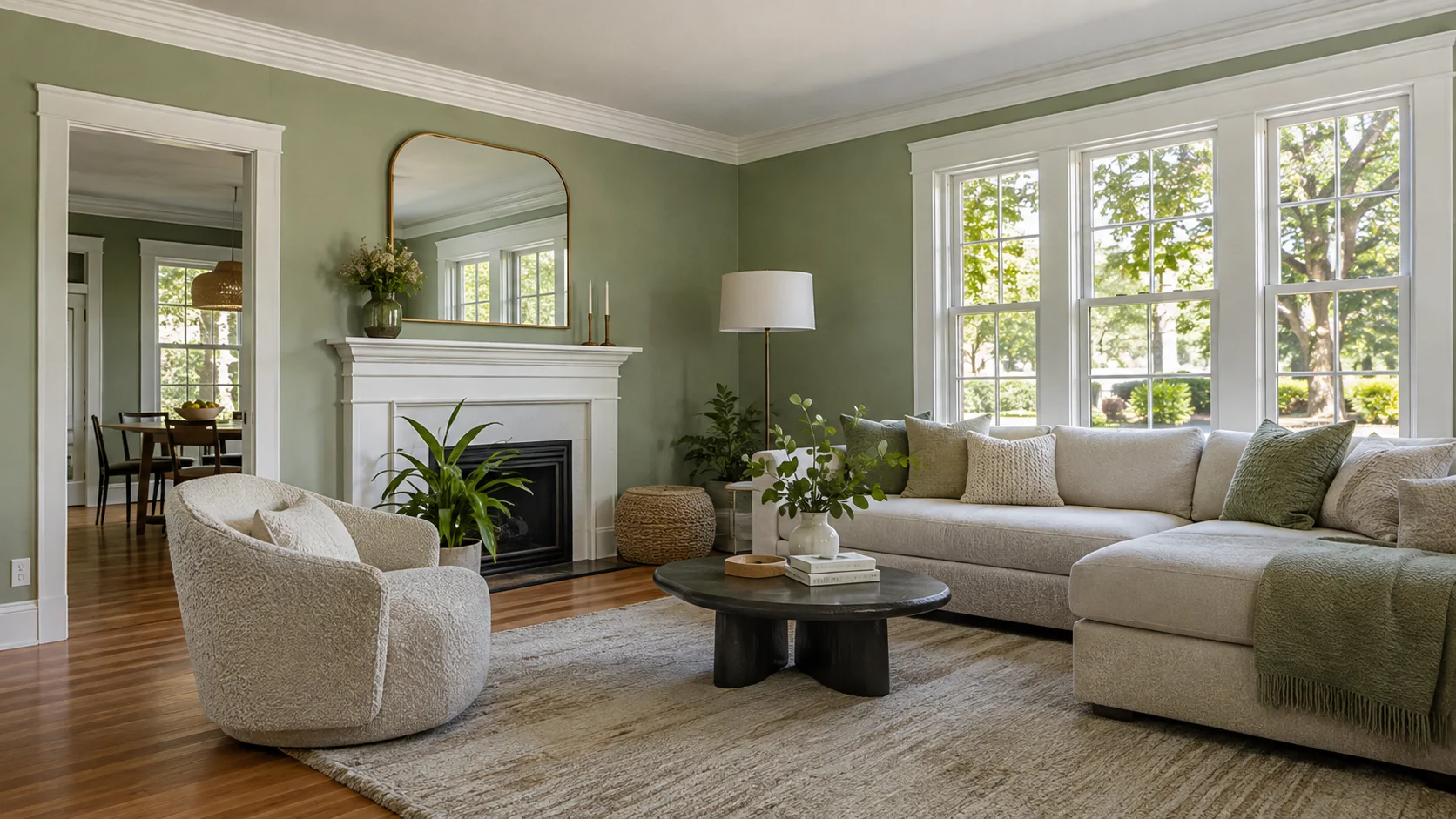
Picture a normal week while the painting work is underway. The plan should account for furniture moves, ventilation and the order in which rooms reopen. Use a painting sequence for an occupied home as a starting point, then identify the household activities and access routes that need to keep working.
MAKE EVERYDAY USE EASIER
A practical plan for your project
Turn a painting sequence for an occupied home into a sequence the household can understand. Ask what has to happen before the first delivery, where the work will be concentrated and what needs to be usable at the end of each stage. Include the awkward jobs, such as moving bulky belongings or setting aside a temporary route, in the conversation before the work is scheduled.
A useful brief before work begins
Bring together the room dimensions, priorities and product information for professional review.
Three details worth getting right
Access
Arrange a clear route for people and supplies without crossing wet surfaces.

Protection
Decide who moves large furnishings and how flooring and retained fittings will be covered.

Room sequence
Set aside a usable room while the next area is prepared and coated.
Before work begins
Use these considerations to prepare a coordinated renovation brief.
Ask when each room can be used again based on the selected products and conditions.
Walk through the work area with everyone who uses it regularly.
Note deliveries, pets, storage and any schedule restrictions that could change the sequence. Ask how the work zone will be separated from the parts still in use and how changes in access will be communicated during the project.
Work through the planning details
Access
Discuss what someone will need to do before this work can start. Put the steps in the order they will happen and make clear who needs access and when. A short walkthrough can reveal an obstacle that a written description overlooks, especially if more than one person uses the area.
Protection
Consider the days when the work will be most disruptive. Identify the route people can still use and the activities that might need to move elsewhere. If there is no workable temporary arrangement, raise that concern before agreeing to the dates or the order of work. Write down any changes everyone needs to know.
Room sequence
Decide what must be checked before this stage is ready for normal use. Ask which decisions depend on the material or site conditions so the plan can change if the work takes longer than expected. Record the practical instructions that the household will need at the end.
YOUR NEXT STEP
Build a workable sequence
Tell us what a normal day looks like around the painting work. Bring the access constraints and the jobs you want tackled first, so the project discussion can focus on a sequence that makes sense for the property.